If you can resist getting addicted to endless reels or feeling the pressure to create content non-stop, and instead stay content with your own pace of growth, Instagram truly becomes a wonderful space. Honestly.
Through Instagram, my work has connected me with some incredible people who have grown to become dear friends. Bhairavi Naik is one such kindred soul. For a while now, we’ve been chatting on Instagram about our shared love for Gujarati cuisine. Recently, I finally got the chance to meet her, and it felt like we’d known each other for a very long time.
As we talked about our respective work, Bhairavi casually said, “Dhekra vishe lakho ne” (please write about Dhekra). I replied, “Why not? But only if you’re willing to share your memories around it.” Dhekra is a dish from Bhairavi’s native Anavil Brahmin cuisine, and since I’d never made or even tasted it, I needed some guidance. Bhairavi graciously walked me through it, and here we are, bringing seasonal favourite Dhekra to life, paired with Bhairavi’s cherished memories.
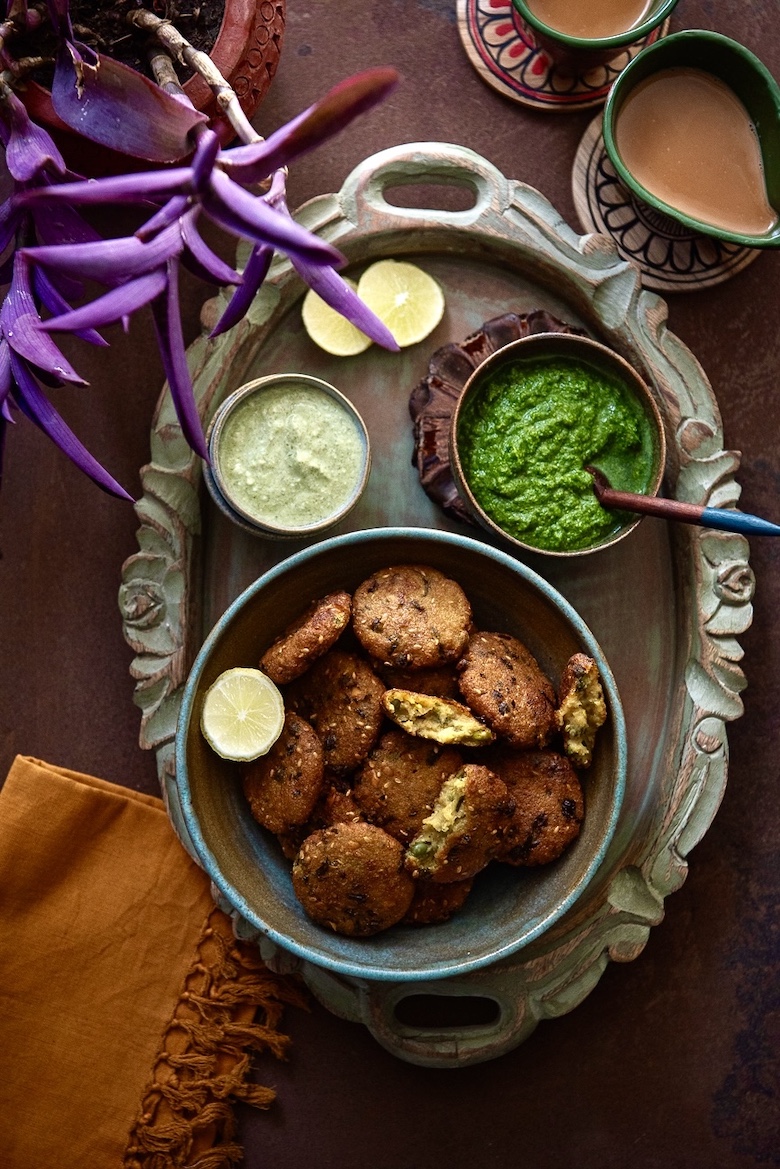
Cooked by me (Sheetal), captured in the stunning pottery she (Bhairavi) creates at @curatorsofclay. ✨
A Mother’s Legacy in Every Bite
This recipe is more than just a dish—it’s a slice of my childhood, bringing back fond memories of my mother’s kitchen. Her meticulous approach to cooking was something I once found exasperating but now deeply admire.
I remember her sorting fresh tuvar in front of the TV on winter evenings. While tuvar na dana was a tedious task to prepare, it was always worth it because it meant dhekra. She would fry them fresh when we returned from school or college, and I often enjoyed them so much that I skipped dinner entirely.
My mother’s efficiency meant she always made a large batch of khichu, storing it in the fridge to fry fresh whenever we craved something comforting. During my “no fried food” phase in my 20s, she adapted by shallow-frying the dhekra to suit my health-conscious mood. Now, with age and wisdom, I’m happily back to relishing the golden, fried version.
Even today, my aunts generously send me batches of dhekra nu khichu, ensuring I can relive those precious memories with every bite. This recipe is a small tribute to my mother’s culinary legacy and her knack for turning simple ingredients into moments of joy.
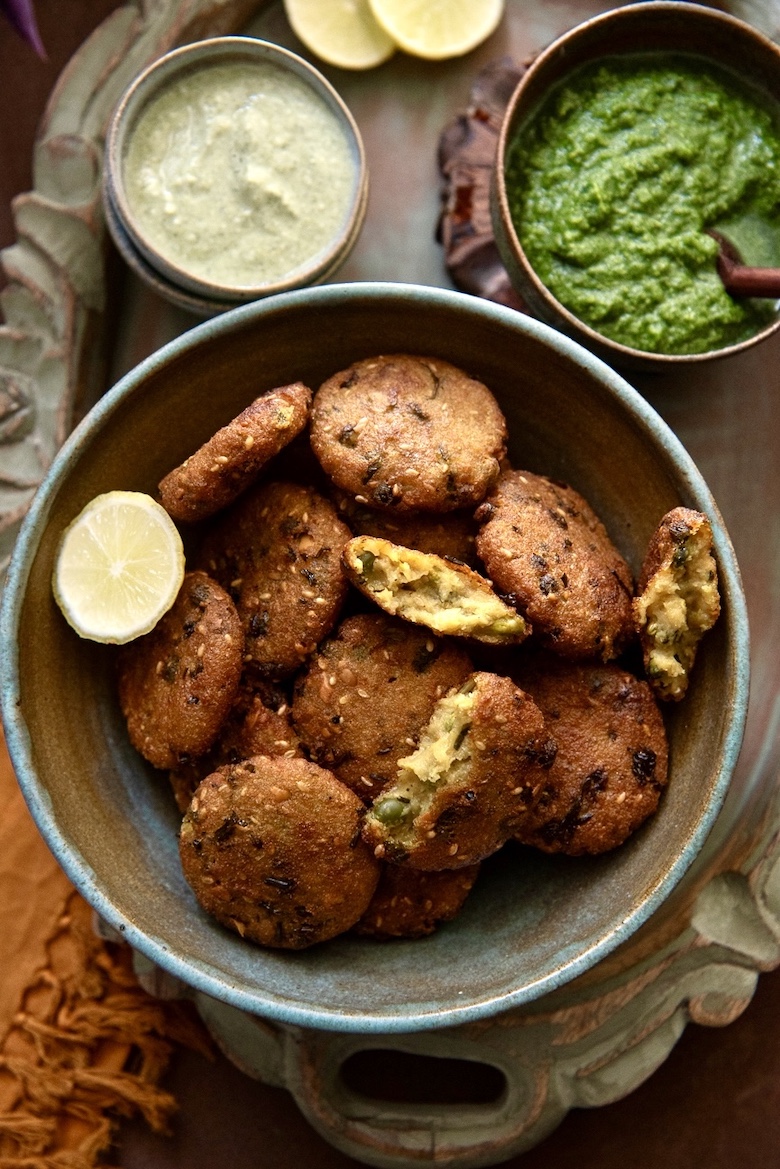
Tuver na Dhekra
Ingredients
Method
- In a thick bottom saucepan, bring 1.5 cups of water to a boil. Add oil, haldi powder green chilli and ginger paste, hing, jaggery, groundnuts or sesame seeds (if using), and salt. Stir well.
- Once the water is near boiling, stir in the boiled tuver na dana and the chopped fresh coriander.
- When the water reaches a rolling boil, lower the flame and add rice flour, jowar flour, and wheat flour. Mix thoroughly using a rolling pin (velan), as you would for khichu. If the mixture feels too dry, add 1-2 tbsp of water.
- Let the mixture cook on a low flame for about 7-8 minutes. Place tawa under the sauce pan so that the mixture does not burn. Once done, set it aside to cool for at least 30 minutes.
- Once the dough is cool, knead it until smooth and shiny. Take lime sized dough ball.
- Roll the dough ball into small, flat coin-shaped discs.
- Deep-fry the discs in hot oil until they turn golden brown. For a lighter version, you can shallow-fry them, though the deep-fried ones are undeniably tastier.
- Serve hot with green chutney and a steaming cup of tea. These are perfect for a cozy winter evening.